
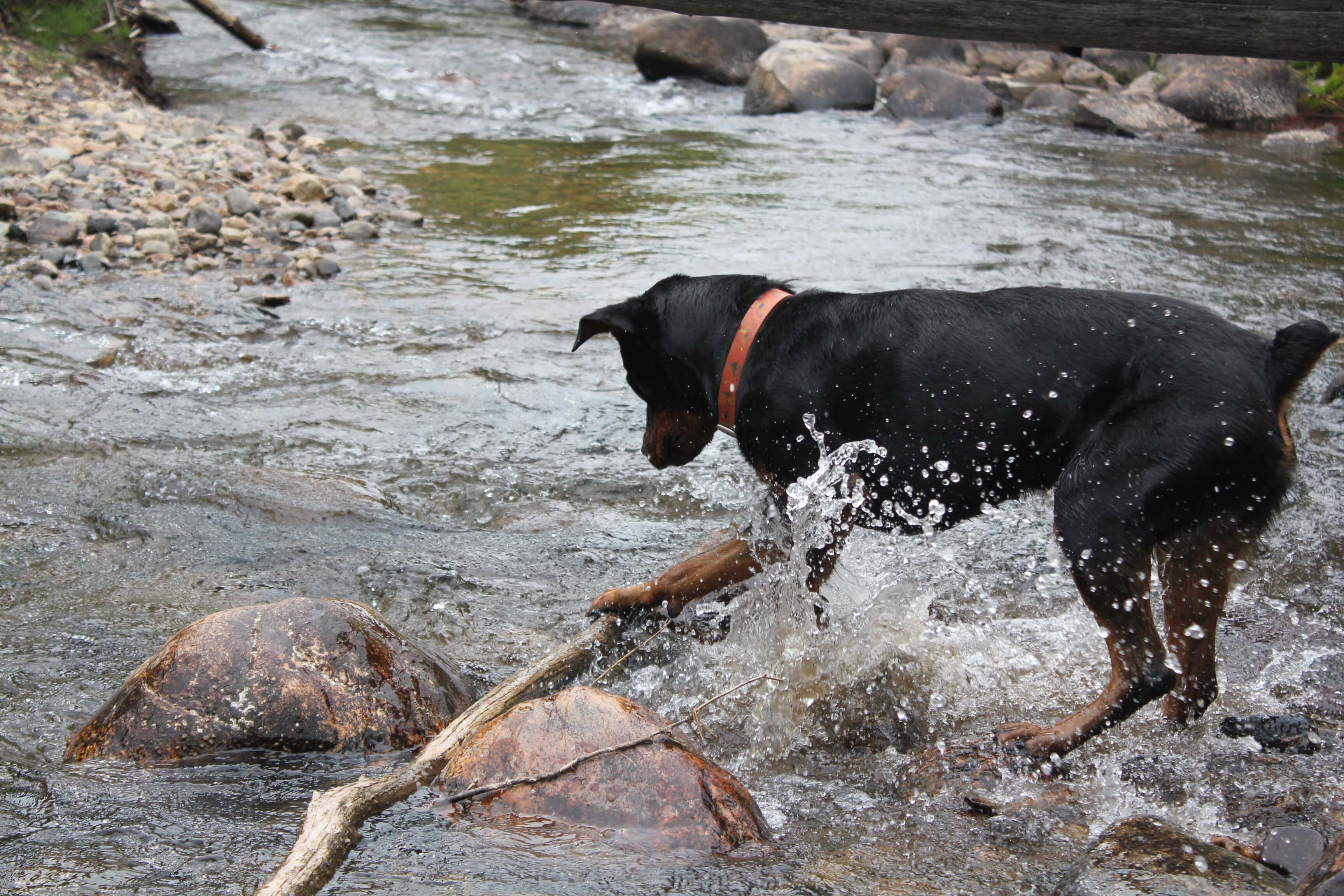
Recognizing and Managing Chronic Pain in Dogs and Cats: A Guide for Pet Owners
As veterinary medicine continues to advance, our understanding of chronic pain in pets has grown significantly. Just like humans, dogs and cats can suffer from long-term pain due to arthritis, cancer, dental disease, past injuries, or other chronic health conditions.

Rescue Pets & Second Chances: Stories of Hope & Healing
Every rescue pet has a story—some marked by abandonment, neglect, or loss—but each one is a testament to resilience, transformation, and the power of love. At the heart of every adoption is a second chance, not just for the animal, but often for the person welcoming them home. Here are a few moving stories that remind us why pet rescue matters, and how healing is a two-way street.
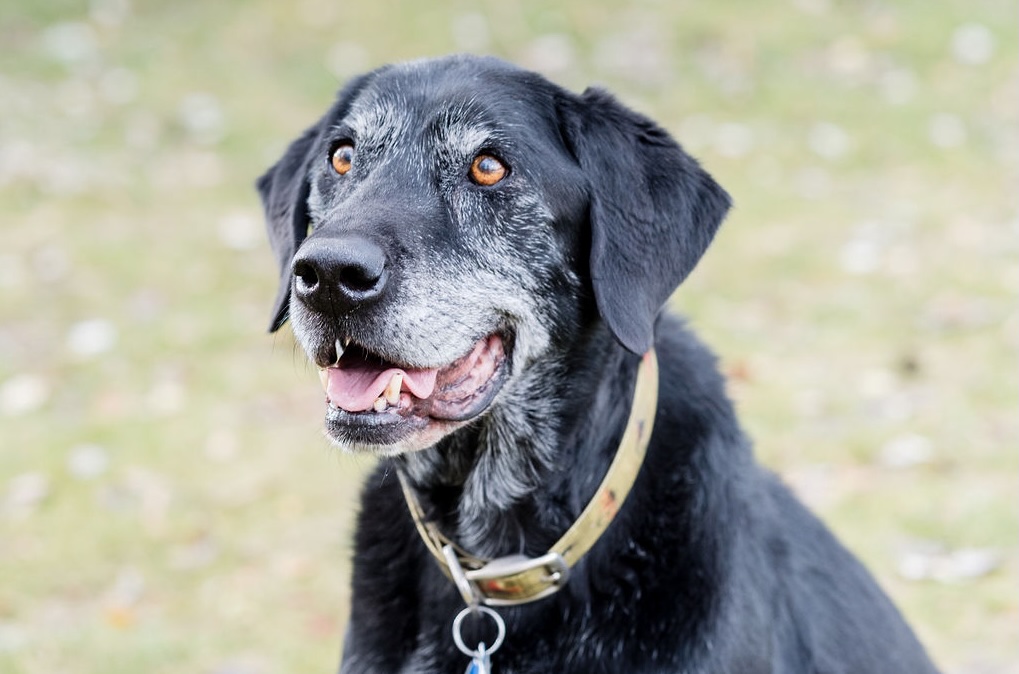
Celebrating Senior Pet Health Month: Cherishing Our Senior Companions
November is Senior Pet Health Month, a time to recognize, celebrate, and support the special needs of our beloved senior pets. Just as with people, our pets' needs evolve as they age. Cats and dogs become more prone to certain health issues, such as arthritis, dental problems, and cognitive changes, and they may require additional care to maintain their quality of life. In this month's blog we are going to discuss these common concerns as well as offer some tips for things to do at home to support your senior pet.

Understanding Pet Obesity: Causes, Risks, and Prevention
Obesity is an increasingly common problem among pets, and it can lead to serious health complications if not addressed. Just like humans, pets can gain excess weight due to various factors, and this extra weight can have detrimental effects on their overall well-being. In this blog, we'll explore the causes of pet obesity, the risks and side effects associated with it, and, most importantly, how to prevent it.
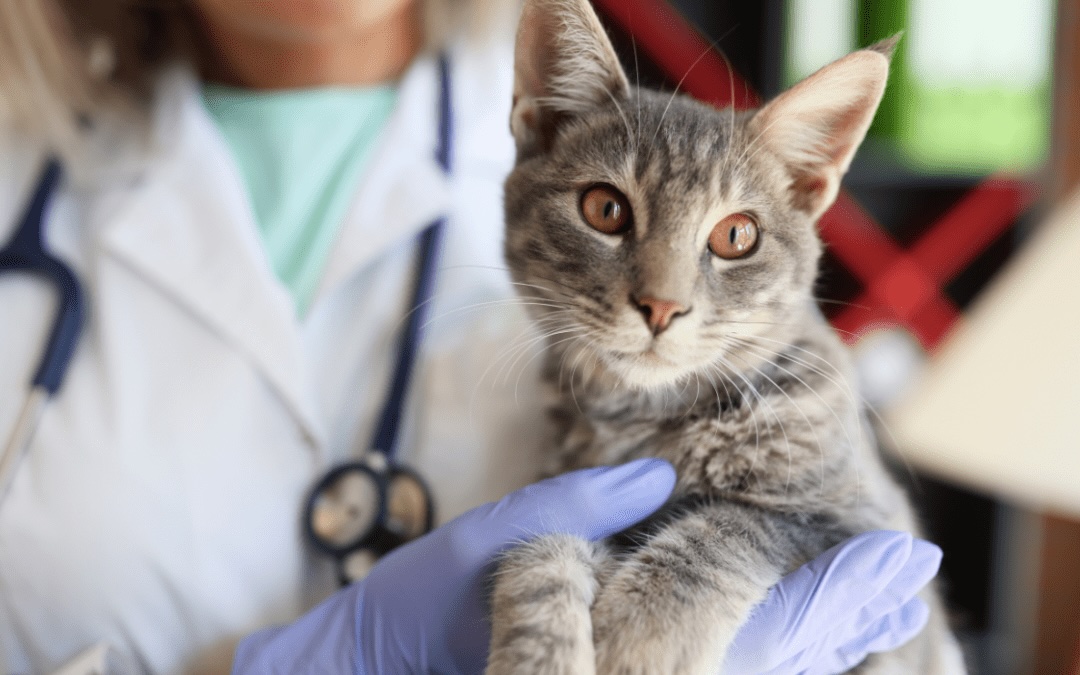
Celebrating International Day of Veterinary Medicine: A Tribute to Our Evolving Profession
Every December, we come together to celebrate International Day of Veterinary Medicine, honoring the remarkable progress in our field and the dedication of veterinary professionals worldwide. This day not only highlights our essential role in animal health and welfare but also underscores how veterinary medicine has transformed over centuries to meet the needs of a changing world.

Holiday Hazards
Happy holidays, everyone! While you and your family are enjoying your time together, don't forget to keep an eye on your pet(s). During the holidays, we typically see an increase in the number of pet toxicity cases, and they are often centered around a large meal or dessert table. At Alpine Animal Hospital we are committed to keeping you and your beloved pets safe. Here is a list of some holiday hazards.
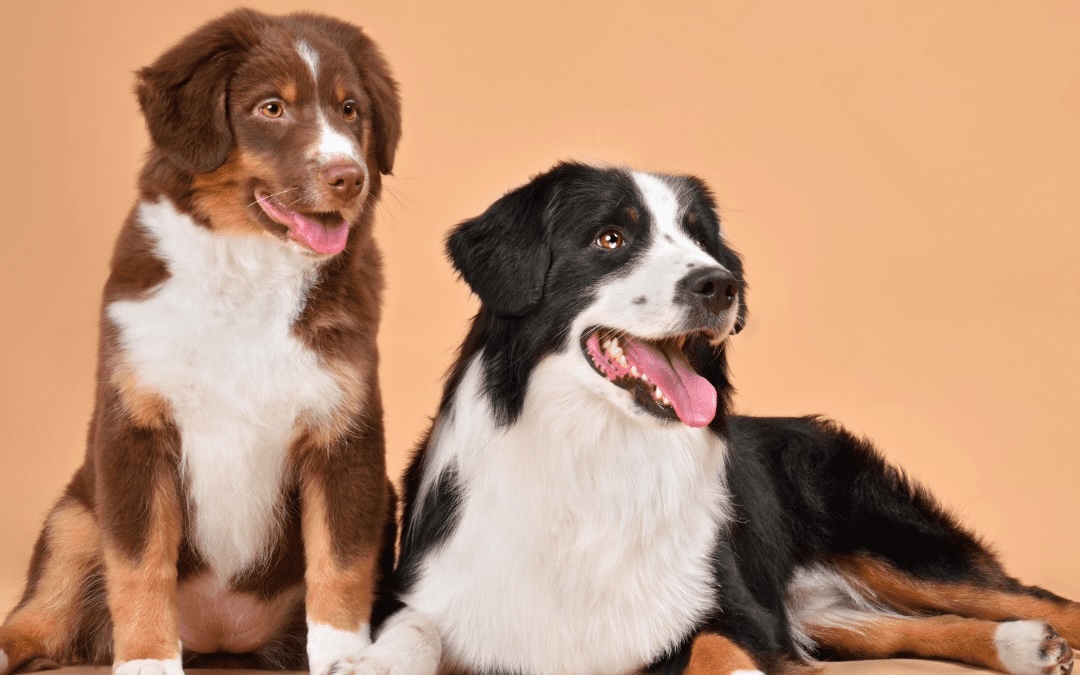
Why Pet Insurance is a Smart Choice for Your Furry Friend
When it comes to our pets, we want nothing but the best for them. They are family, after all. But just like with any other family member, unexpected medical emergencies can arise, leading to unexpected costs. This is where pet insurance comes into play, providing peace of mind and financial protection when your pet needs it most. In this blog we are going to discuss why you should consider insurance for your pet and why Alpine Animal Hospital recommends you make it part of the long-term care plan for your companion.
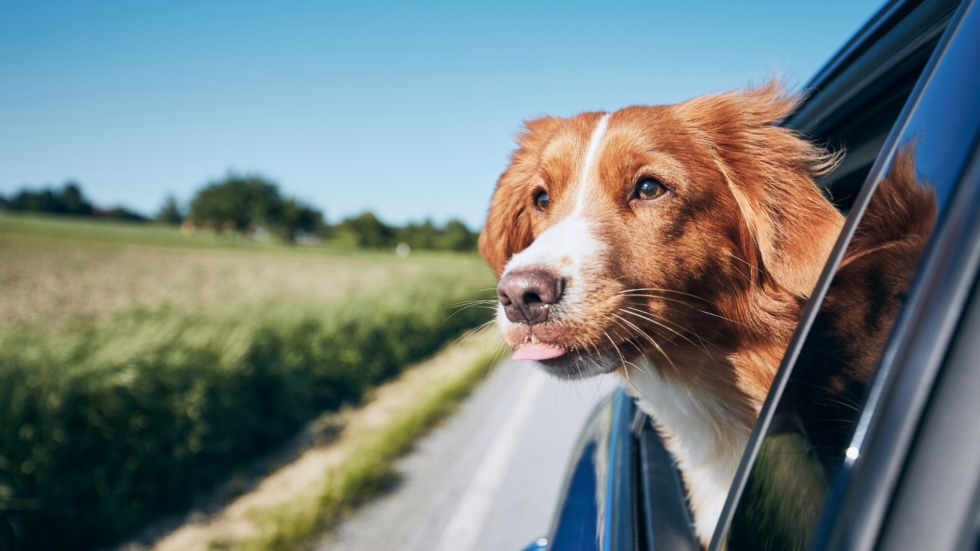
Celebrating National Pet Travel Safety Day 2025: Ensuring Safe Journeys for Your Furry Companions
Whether you are returning home from the holidays or starting off the new year by traveling with your pet, being prepared for your trip is a necessity. National Pet Travel Safety Day, observed annually on January 2nd, emphasizes the importance of safeguarding our pets during travel. Be aware that interstate and international travel with your pet both have requirements, but they are very different. Understanding and adhering to pet travel requirements is crucial for a safe and stress-free journey.
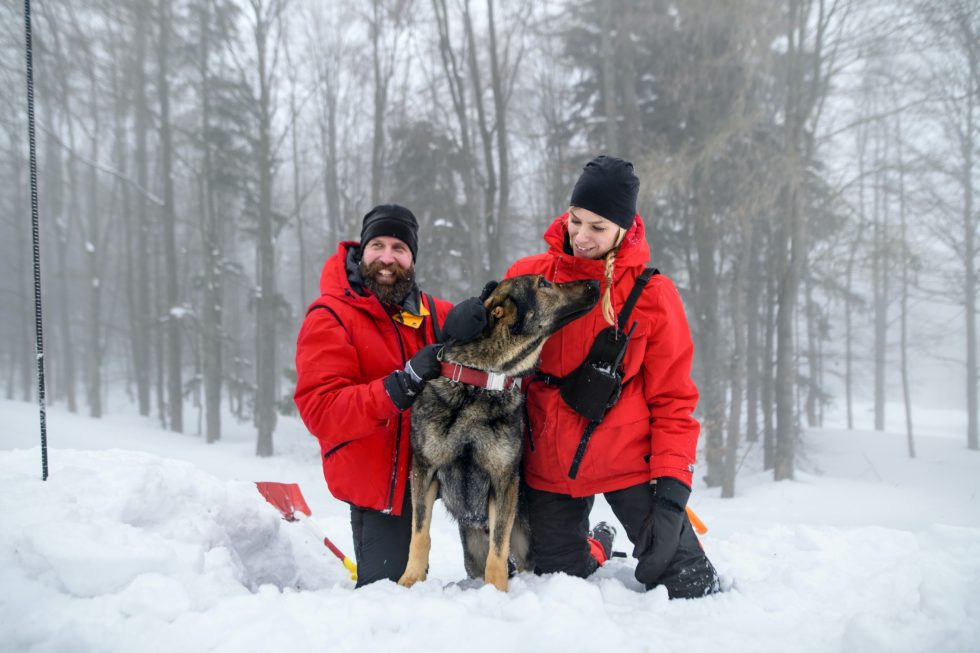
January is National Train Your Dog Month
January is National Train Your Dog Month. Based on what I have seen out in the world, as well as inside our veterinary hospital, there is no general standard for what a “trained dog” looks like. People have different expectations for how dogs should “behave” and what types of behavior they find acceptable or not.

Start Early When Socializing Your Puppy
By Reese Odenwelder, DVM Getting a new puppy is a very exciting time! There is so much fresh love and happiness with adding a new furry friend to the family. Certainly we want what is best for our new pet and during this novel period we often focus on the “now”. This typically includes potty training, nutrition, vaccines, or even grooming and obedience. As we try to master these goals as quick as possible we can often overlook important life steps for these furry kids.