
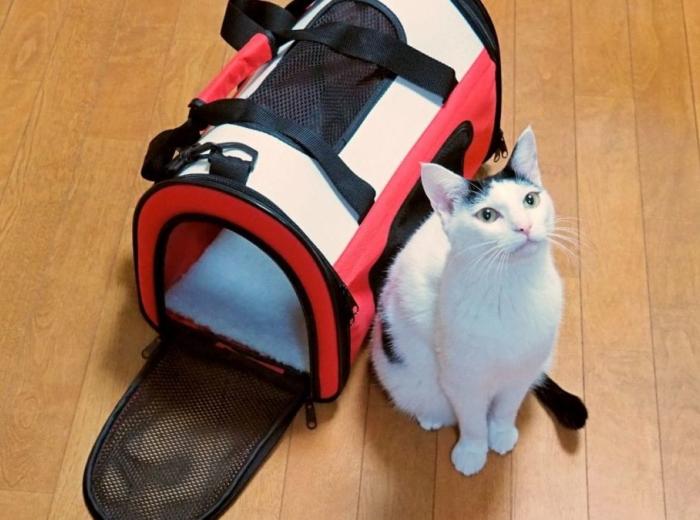
Natural disasters: something we all hope we never have to deal with, and thus rarely plan for. Unfortunately, you do not have to be living in a hurricane or earthquake zone to be affected. Wildfires, floods, landslides, winter storms, and even thunder and lightning are considered natural disasters that can negatively affect you and the animals under your protection. September is National Preparedness Month, and the team here at Alpine Animal Hospital would like to help you create a disaster plan by asking you a few questions. If you were faced with a natural disaster: Where will you go, and can your animals go with you? What will you need? What will your pet need?
The American Veterinary Medical Association has put together a comprehensive list that is a great starting point for creating your own personal plan. This list is geared toward companion animals, but with a bit of thought you can modify it to accommodate your large animals and livestock too.
Pet Evacuation Kit
Assemble the kit well in advance of any emergency and store it in an easy-to-carry, waterproof container close to an exit. Research pet-friendly hotels or boarding kennels in the area you would evacuate to, and keep locations and phone numbers listed with your kit. Remember a power cord, charger or back-up battery for your phone or computer so you can easily communicate with people when you are away from your home.
Food and Medicine
- 3–7 days' worth of dry and canned (pop-top) food*
- Two-week supply of medicine*
- At least 7 days' supply of water
- Feeding dish and water bowl
- Liquid dish soap
*These items must be rotated and replaced to ensure they don't expire.
First Aid Kit
- Anti-diarrheal liquid or tablets
- Antibiotic ointment
- Bandage tape and scissors
- Cotton bandage rolls
- Flea and tick prevention (if needed in your area)
- Isopropyl alcohol and alcohol prep pads
- Latex gloves
- Saline solution
- Towel and washcloth
- Tweezers
Sanitation
- Litter, litter pan, and scoop (a shirt box with a plastic bag works well for a pan)
- Newspaper, paper towels, and trash bags
- Household chlorine bleach or disinfectant
Important Documents
- Identification papers including proof of ownership
- Medical records and medication instructions
- Emergency contact list, including veterinarian and pharmacy
- Photo of your pet (preferably with you)
Travel Supplies
- Crate or pet carrier labeled with your contact information
- Extra collar or harness with ID tags, and a leash
- Flashlight and extra batteries
- Muzzle
Comfort Items
- Favorite toys and treats
- Extra blanket or familiar bedding
When you return home post-disaster, remember to examine your yard and property for possible hazards that were not present before and could injure your pet. Your animals may also be shaken by the experience, so be sure to keep them confined until they re-acclimate to being home (especially cats). Work toward re-establishing a routine as quickly as possible to minimize stress and anxiety; this will be helpful for you too! Natural disasters are traumatic events that can cause high levels of stress for you and your pets. Being prepared ahead of time may help decrease some of that stress and ensure that you and your pet can remain safe, healthy and together.