
At Alpine Animal Hospital, we follow the AAHA standard of excellence in our anesthetic protocols.
In order to minimize your pet's stress and decrease the amount of anesthesia needed during the procedure, your pet's anesthetic procedure begins at home. Before your pet's appointment, we send home a PVP (Pre-Visit Pharmaceutical). You will administer various medications the night before and the morning of the procedure. The medications will help keep your pet relaxed and comfortable upon arriving at the hospital for admission and also aid in preventing the nausea and GI upset that can occur with anesthesia or stress from the stay in the hospital.
Most procedures require that your pet spend all or part of a day with us. With the exception of water, you will be advised to fast your animal for 12 hours prior to surgery. This fast reduces the risk of anesthesia-induced vomiting and aspiration. In preparation for a procedure, your pet will undergo a physical exam prior to anesthesia or sedation. This is important to evaluate the heart and lungs and prepare for any additional anesthetic issues (e.g., brachycephalic or 'squish-faced' breeds, or overweight animals present special considerations).
Pre-anesthetic blood work (serum chemistry panel, CBC, and coagulation panel) is strongly advised for all animals undergoing anesthesia. This blood work allows evaluation of liver, kidneys, clotting ability, and oxygenation ability. Injectable anesthetic drugs are metabolized by either the liver or the kidneys, so it is important to know if there is any compromise to these organs. If so, alternate drugs are used.
Based on collected information, your pet's doctor will formulate an anesthetic plan for your pet that takes into consideration the procedure being performed, your pet's age, health status, and any other potential complications to ensure their safety and long-term health.
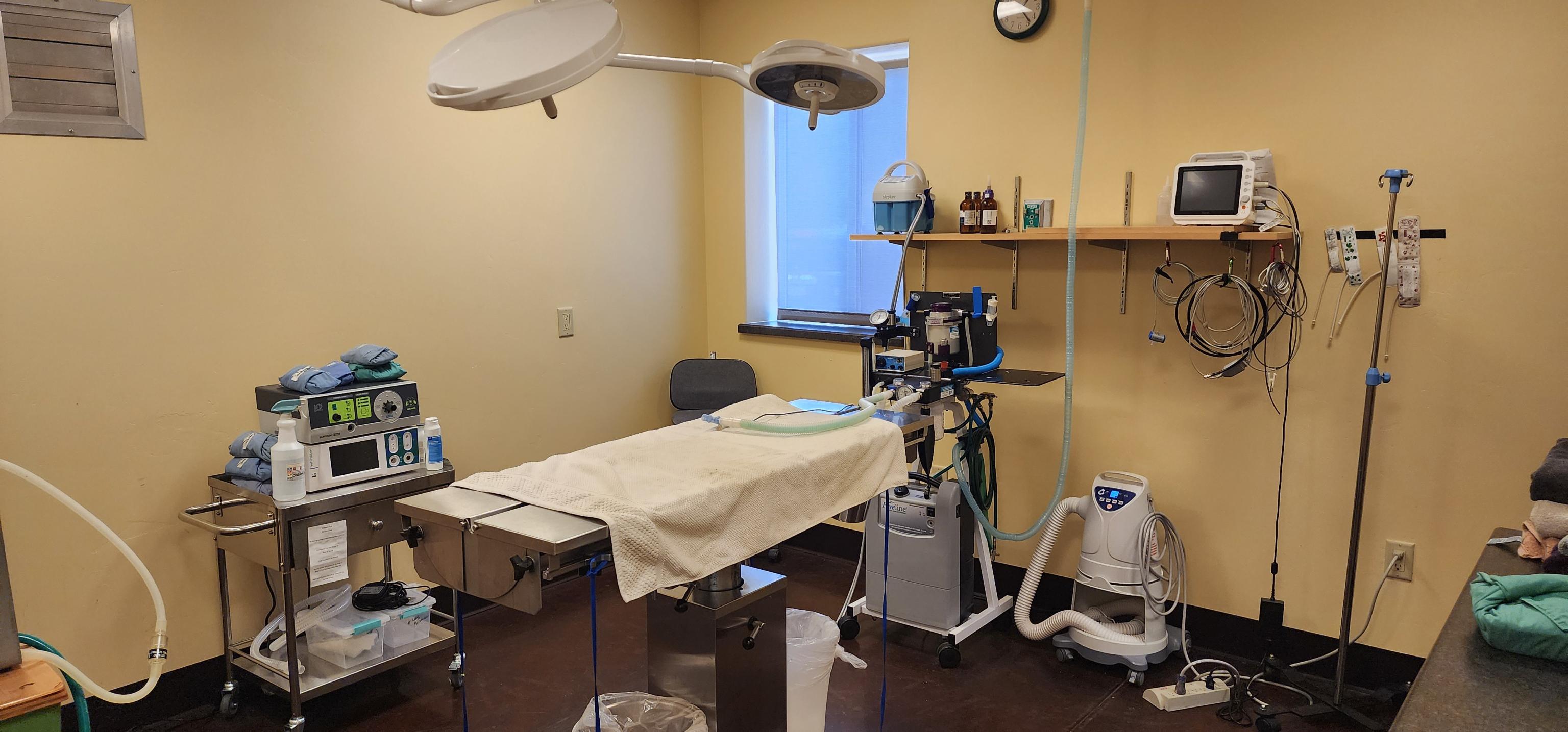
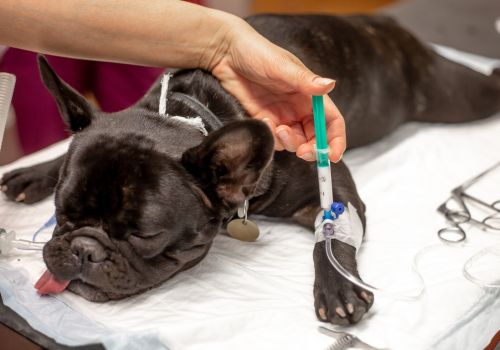
Depending on the procedure, your pet may undergo general anesthesia or a basic sedative that will last a short time. All animals undergoing general anesthesia have an intravenous catheter placed and are supported by intravenous fluids during the procedure. General anesthesia can lower blood pressure, which in turn can damage organs. Fluids help maintain adequate blood pressure. The catheter also allows immediate access to a vein for administration of anesthetic drugs and other medications, including antibiotics.
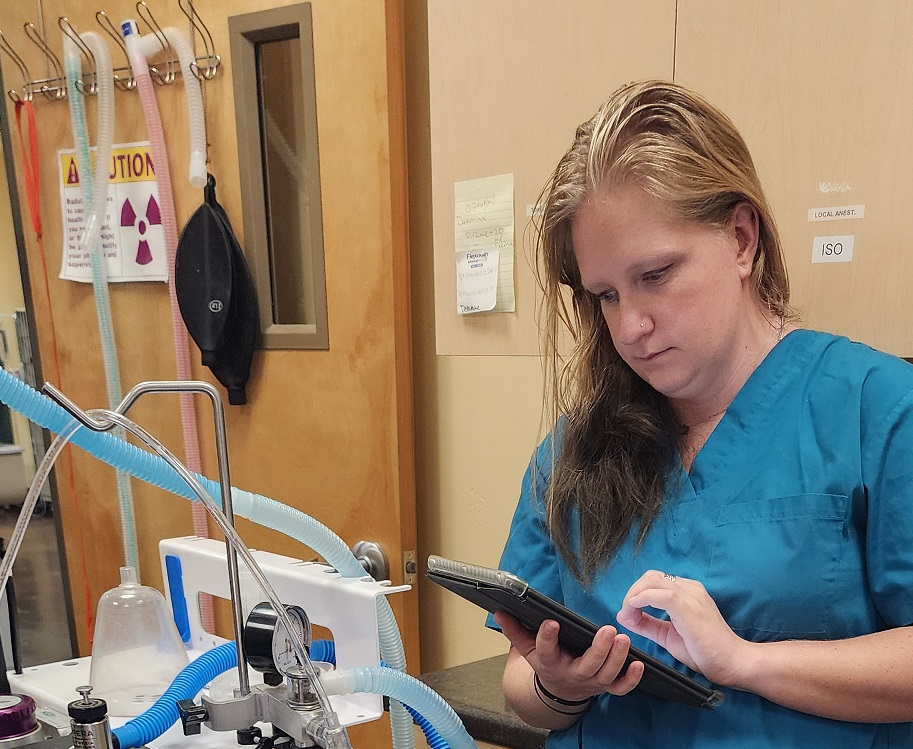
During general anesthesia, the patient is monitored continuously by a Registered Veterinary Technician. These technicians are specifically trained in anesthesia and keep records of the animal's vital signs, including heart rate, blood pressure, ECG, body temperature, and oxygenation. This monitoring allows rapid adjustment of the anesthetic protocol to maintain both an appropriate level of anesthesia and appropriate patient condition.
Once the procedure is completed, the patient is moved to the intensive care area of our hospital. These cages are in the hospital's central treatment area and allow for constant monitoring by doctors and technicians. Most animals return home from procedures the same day and are given discharge instructions that include a pain management plan, details regarding home care, and follow-up care recommendations.
Not all procedures require a general anesthetic, and sedation may be a better option.
What Is the Difference Between Anesthesia and Sedation?
Although the terms sedation and anesthesia are often used interchangeably, they are, in truth, very different. Anesthesia is intended to render a pet entirely unconscious so they cannot experience any pain or discomfort during a particular procedure. In contrast, sedation lessens the degree of anxiety a pet may be feeling so they are calm and relaxed, yet still conscious. Sedation is commonly used before performing procedures like X-rays and diagnostic imaging or even a treatment such as a bandage change or deep oral examination.
Some minor injuries or conditions require that your pet remain at the hospital for a few hours. First the pet is given a sedative drug that will allow the doctor to perform the procedure; treatments are performed, a reversal agent is then administered, and once the pet has recovered from the sedation, they are ready to be discharged into your care. Examples of this include minor lacerations and wounds, broken toenails, sedated grooming and occasionally simple mass removals. Sometimes we have to sedate pets that won't allow examination due to temperament or pain. Severe ear infections and eye injuries are examples of these situations.
Recovery from sedation is typically faster and has less potential for complications, but your pet will still need your support once you get them home from the hospital.
What Are the Possible Complications of Anesthesia?
 The overall anesthetic-related risk of death is low, at approximately 0.17%. Other notable complications include hypotension (low blood pressure), hypothermia (low body temperature), hypoxemia (low blood oxygen), and hypoventilation (respiratory depression). Other reported complications include regurgitation, aspiration pneumonia, corneal ulcers, and in cats, blindness.
The risk of anesthesia-related death in pets increases significantly with the animal's health condition and age. Poor health status, age, inadequate monitoring and certain breeds can be associated with a higher mortality risk.
Anesthesia safety has improved significantly over the years due to better monitoring and the use of checklists to improve safety. While there are no 100% safe anesthetic agents or procedures available for pets, veterinarians do everything possible to minimize any risks your pet may face while under anesthesia by performing comprehensive pre-anesthesia testing and providing close monitoring during and after the procedure.
What Is Monitored to Ensure Safety?
Today, modern monitoring devices keep your pet safe while they're under anesthesia. Our team is highly trained to monitor your pet's heart rate, blood pressure, breathing rate, oxygen levels, temperature, and other vital signs. Vital signs continue to be monitored until your pet is fully recovered from anesthesia and can walk on their own.
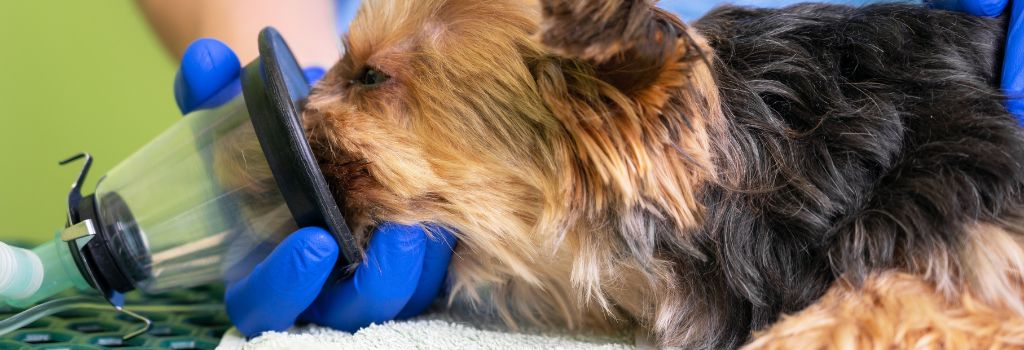
They also provide positive-pressure ventilation with an inhalant anesthetic agent when necessary. This is especially important for pets with respiratory or cardiac diseases that can be worsened by the effects of general anesthesia.
What Does "Recovery" Mean?
Although your pet may be technically "recovered" from anesthesia, the recovery continues once they get home and continues until they are completely healed. Time periods for recovery vary depending on many factors: type of procedure, condition of pet (age/weight/health) and other individual factors. Like people, pets are individuals and can respond to anesthesia and sedation in very different ways. The team at Alpine Animal Hospital works hard to anticipate how your pet will tolerate anesthesia and prepare you to take over in supporting your pet during this recovery period.
- Medications: all medications are prescribed with your pet's health and comfort in mind. Please give all medications as directed: pain medication, antibiotics, topical medication, etc.
- Rest: have a quiet, warm and comfortable place for them to recover. They may be tired and quiet for 24 hours; this is preferable, as calm, quiet pets will heal faster. Although we do reverse some of the sedation, other drugs will remain in their system for a few hours, so they may seem more awake when you pick them up and then get very sleepy when you get home.
- Food and water: typically, it is OK to feed your pet after a sedated procedure, but be sure to follow all the discharge instructions you are sent home with. If your pet doesn't want to eat once they get home from the hospital, that is OK. They should be drinking water and want to eat the next day.
- Protecting the incision: animals are different from humans in that they may chew at sutures or surgical incisions. They don't understand what can happen and why they shouldn't do that. This is where the cone of shame comes in. Love it, use it, and it will aid in quick healing. Pets do not love e-collars but they usually get used to them. Only take the collar off when you can closely watch them. Do not leave it off at night. Ask us about the different types of collars we carry in the hospital so you can make the best choice for you and your pet. If an e-collar will not keep your pet from getting to the surgical site, our team can make other suggestions (a shirt, sometimes a pair of shorts, socks, etc.) that will serve the same purpose. Also keep any other pets from licking at your pet's incisions.
- Follow-up care: your pet may have sutures or staples that need to be removed, or your veterinarian may want to evaluate your pet after the procedure to ensure they are recovering appropriately. Please schedule any recommended follow-up appointments before you take your pet home, that way you won't forget.
More serious complications or side effects may occur post-procedure that require a phone call or a recheck appointment. If you notice any of these signs, please contact us immediately at (970) 963-2371, or visit Valley Emergency Pet Care if it is after hours.
- Extreme lethargy or listlessness (especially after the first 24 hours)
- Excessive redness or irritation around the suture line
- Excessive or increased pain
- Swelling or a lump around the incision site
- Discharge from the site
- Vomiting, diarrhea, inappetence or blood in the stool
- Straining without being able to have a bowel movement
- Broken sutures or odor from the wound
Anesthesia is a crucial part of many pet medical procedures, with modern monitoring devices ensuring your pet's safety. The team of veterinary professionals at Alpine Animal Hospital will do everything possible to minimize risks your pet may face while under anesthesia by performing comprehensive pre-anesthesia testing and providing close monitoring during and after the procedure.
At Alpine Animal Hospital, your pet is our priority. If you have any questions, don't hesitate to call our team at (970) 963-2371, or you can email us at [email protected]. Our staff would love to talk with you! Don't forget to follow us on social media: Facebook, Instagram.