
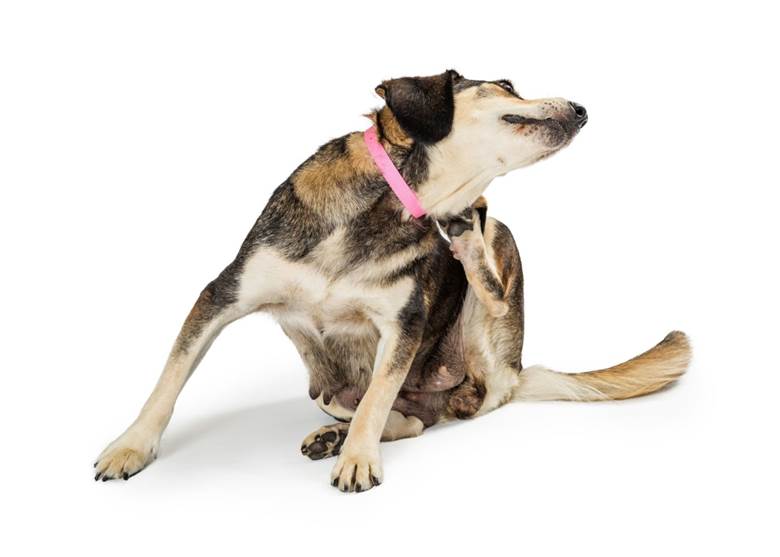
At Alpine Animal Hospital, we are dedicated to serving and celebrating the human-animal bond. When your pet is uncomfortable, it affects the whole family. If you've noticed your dog or cat constantly licking their paws, scratching their ears, or rubbing against the furniture, they aren't just grooming—they may be struggling with itchy skin (medically known as pruritus).
August is Itchy Pet Awareness Month, making it the perfect time to shed light on why pets itch and how we can work together to bring them lasting relief. Persistent itching is a symptom rather than a diagnosis, and identifying the root cause is the key to effective treatment.
1. Seasonal & Environmental Allergies (Atopic Dermatitis)
Just like humans react to airborne allergens, pets can develop sensitivity to environmental triggers such as tree and grass pollens, mold spores, and dust mites.
- How It Manifests: While humans usually react with sneezing or watery eyes, pets primarily express environmental allergies through their skin. Common signs include inflamed or red skin, paw licking/chewing, face rubbing, and recurrent ear infections.
- How We Diagnose It: Diagnosing seasonal allergies involves ruling out other common causes (like parasites or food sensitivities). Our team uses diagnostic approaches such as skin cytology, elimination diet trials, or blood/intradermal testing to pinpoint environmental sensitivities.
2. Flea Allergy Dermatitis (FAD)
Fleas are a hassle for any pet, but for a pet with Flea Allergy Dermatitis, a single bite can trigger an overwhelming allergic reaction.
- The Cause: It isn't just the physical bite that causes discomfort—it's a severe allergic reaction to proteins in flea saliva.
- How It Manifests: Pets with FAD often experience intense itching, hair loss, scabs, and raw skin around the base of the tail, lower back, and inner thighs.
- Diagnosis & Management: During a physical exam, we check for fleas or "flea dirt" using specialized tools like flea combs. Even if no live parasites are visible (since fastidious groomers like cats often remove them), a pattern of irritation near the tail head strongly points toward FAD. Maintaining year-round parasite prevention is essential to keep flea allergies under control.
3. Secondary Chronic Skin & Yeast Infections
When pets scratch or chew relentlessly at itchy skin, they break the protective skin barrier. This allows normal skin microbes—such as Staphylococcus bacteria or Malassezia yeast—to overgrow and create secondary skin infections.
- How It Manifests: Signs of a secondary infection include dark or hyperpigmented patches, greasy skin, a distinct musty odor, crusting, circular scabs, or hot spots (red, moist, highly painful lesions that develop quickly).
- How We Diagnose It: To choose the right targeted treatment, we perform in-house skin cytology. By taking a gentle swab or tape impression of the irritated area and examining it under the microscope, we can determine whether bacteria, yeast, or a combination of both are present.
- Why Early Treatment Matters: Treating the secondary infection provides immediate relief, but long-term success requires addressing the underlying trigger (whether seasonal or parasitic) to prevent the cycle from repeating.
How We Help Your Pet Find Relief
Managing skin health is a journey, and every pet's skin barrier is unique. Our veterinary team takes a personalized, multi-pronged approach to treatment, which may include:
- Targeted Prescription Therapies: Modern anti-itch medications that interrupt the itch signal at the cellular level.
- Medicated Baths & Topicals: Special shampoos, sprays, and wipes formulated to restore the skin barrier and control microbial overgrowth.
- Custom Prevention Plans: Tailored parasite control and environmental management guidance.
Is Your Pet Scratching More Than Usual?
You don't have to wait for skin irritation to worsen. If your furry family member is showing signs of discomfort, our team is here to help them feel comfortable in their skin again.
Book an Appointment Today or contact Alpine Animal Hospital at (970) 963-2371 to schedule a dermatology evaluation.